1960s-1970s
The Loft Movement Begins
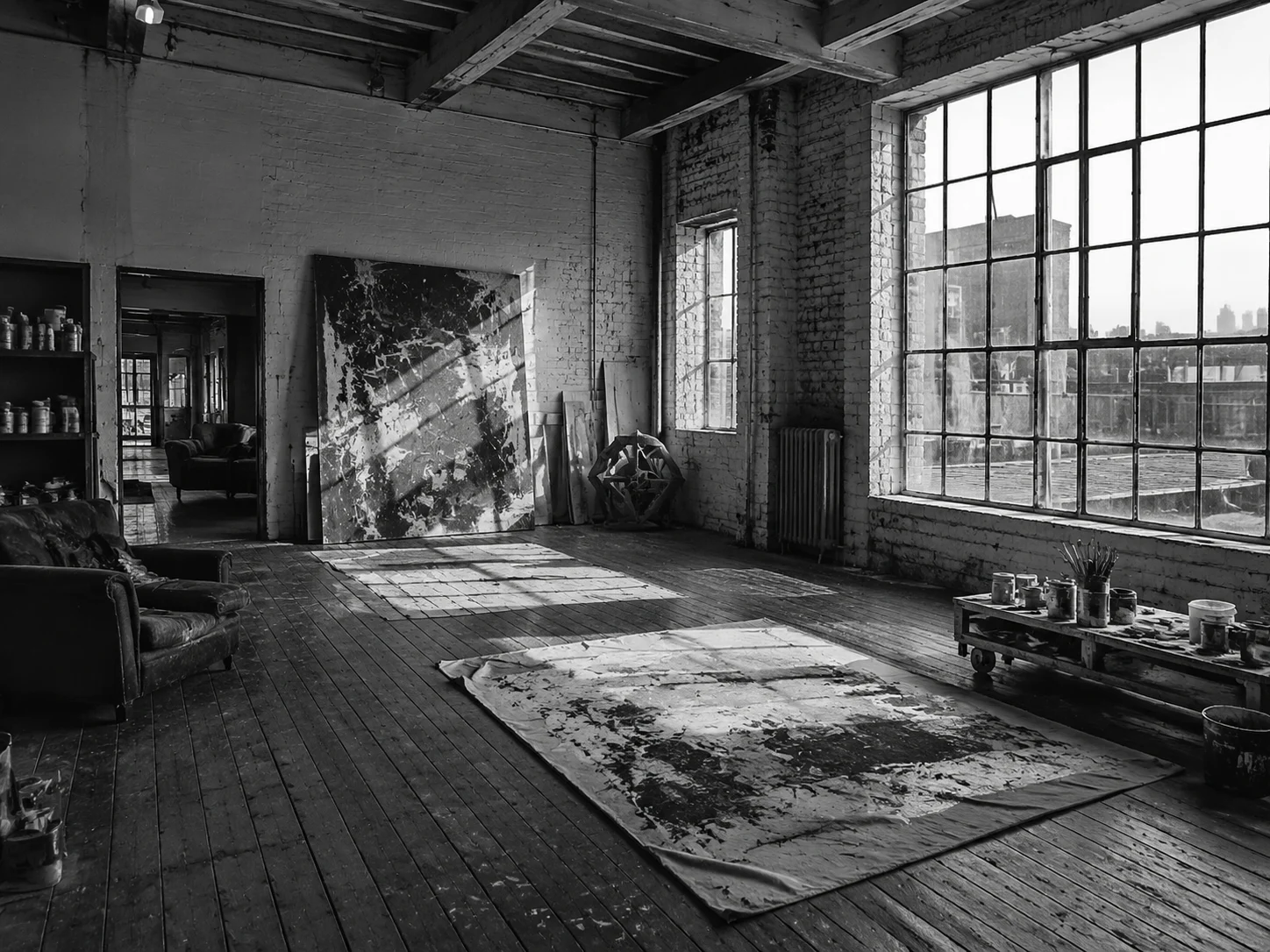
Artists in New York's SoHo district occupy abandoned manufacturing buildings, utilizing the vast, cheap spaces for live-work studios.
1
Browse our curated gallery of raw, urban-inspired spaces. Discover how exposed brick, weathered wood, and matte black steel can transform your home into a modern loft sanctuary.
Design My Industrial SpaceLocal File
Upload from device

Room Type
…
Room Style
…
FixedBrowse real photos of industrial living rooms, bedrooms, and kitchens to find the perfect raw, urban aesthetic for your home.

Charcoal modular sectional and factory cart in a concrete industrial living room.

Panoramic industrial loft with crittall windows, steel beams, and velvet sofa.

Tall industrial living room featuring iron bookshelves, rolling ladder, and leather armchair.

Reclaimed wood console with record player against a cinderblock wall.

Moody industrial living room with black brick and rust orange chairs.

Industrial living room with exposed brick, leather sofa, and iron coffee table.

Grey loveseat with linen throw against a polished concrete wall.

Open plan industrial living room with exposed ductwork and leather chairs.

Whitewashed brick industrial living room with oversized art and white sofa.

Industrial style interior design celebrates the raw, unfinished bones of a building. Born from the conversion of old factories and warehouses into residential lofts, this aesthetic strips back the superficial to reveal the structural. It champions authenticity, leaving ductwork, pipes, and original brickwork proudly exposed rather than hidden behind drywall.
Modern industrial interior design softens this utilitarian edge with comfortable, lived-in textures. By pairing cold metals and concrete with warm, distressed woods and rich leathers, the style achieves a balanced, inviting atmosphere. It is an approach that values spaciousness, architectural history, and unpretentious materials.
Trace the journey of industrial design from functional factories to highly coveted urban residences.
1960s-1970s
Artists in New York's SoHo district occupy abandoned manufacturing buildings, utilizing the vast, cheap spaces for live-work studios.
1980s
Developers begin converting warehouses into luxury apartments, preserving the exposed brick and steel beams as premium architectural features.
2000s
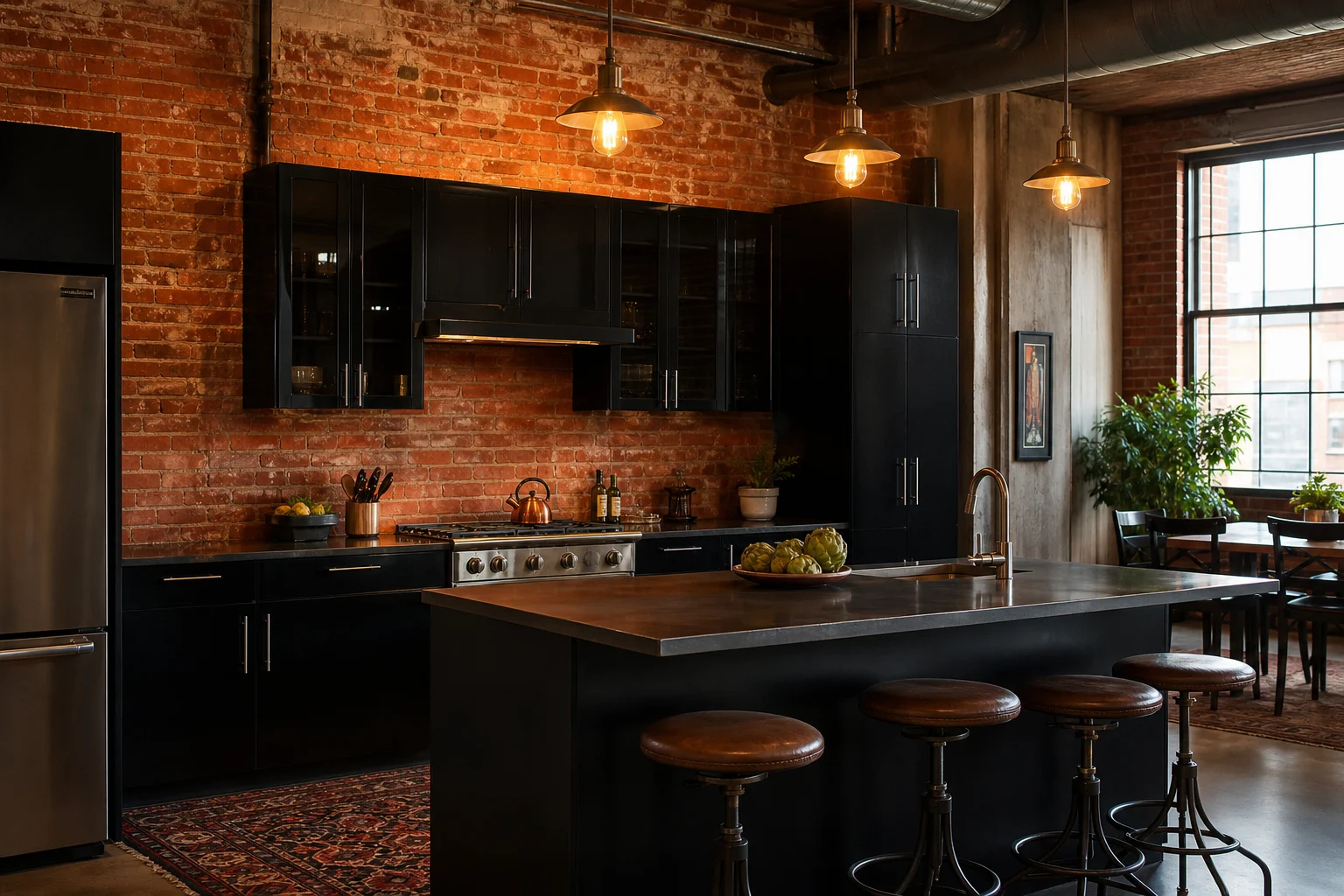
The style moves beyond authentic lofts as designers incorporate faux-industrial elements like Edison bulbs and pipe shelving into traditional homes.

2010s-Present
A refined approach takes over, blending raw industrial materials with sleek, minimalist modernism and softer organic textures.
 Metalworker & Furniture Designer
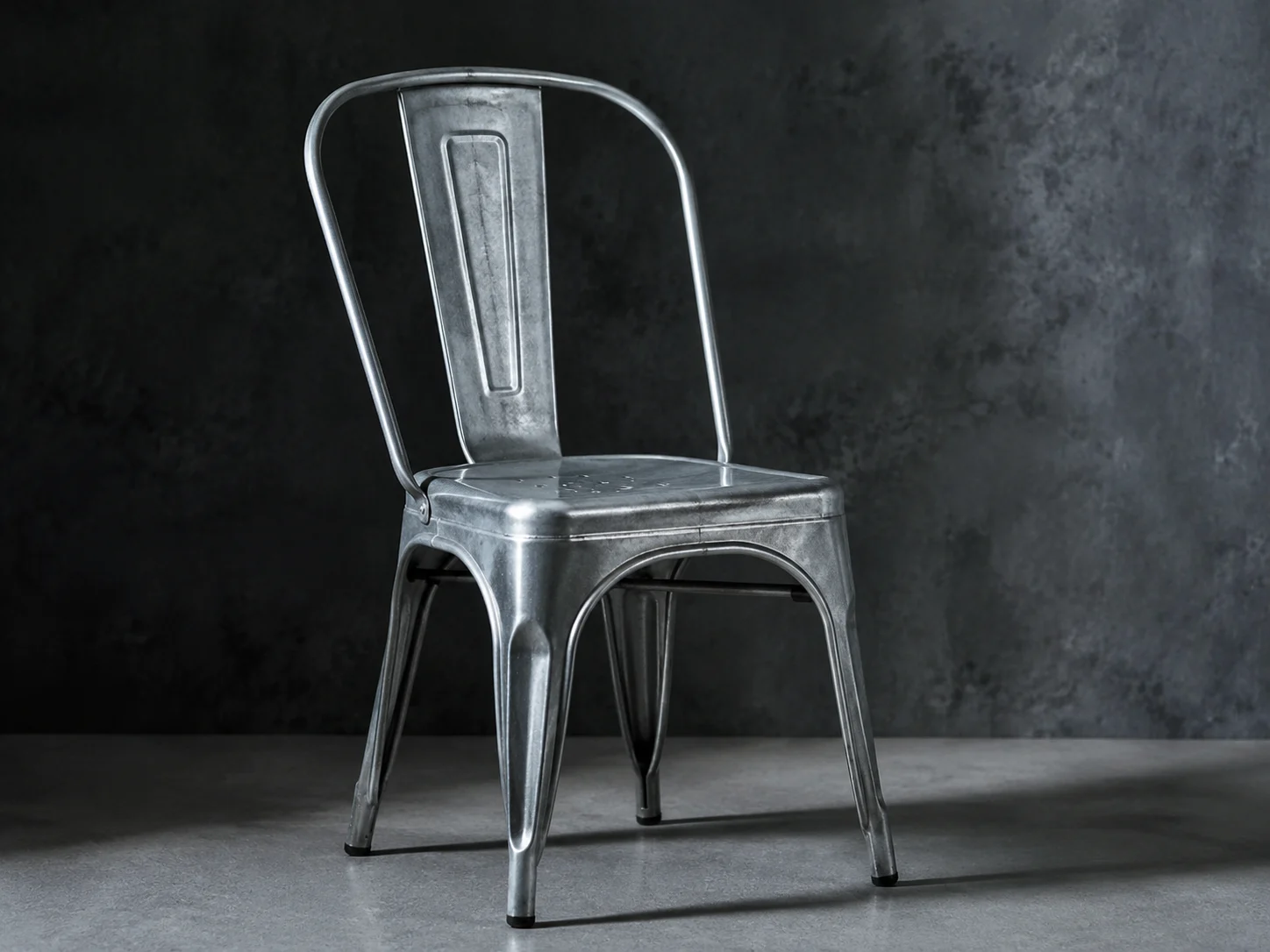
Creator of the iconic galvanized steel Tolix seating that became a staple of industrial interiors.
Pictured: Galvanized steel Tolix A chair
A moody, grounded foundation of neutrals, metals, and deep earthy tones.
60% Base
Expansive concrete and neutral plaster surfaces.
30% Accent
Warmth from exposed brick and rich woods.
10% Highlight
Sharp contrast via black steel hardware and framing.
The defining elements that give industrial interior design its raw, authentic character.

Exposed Brick
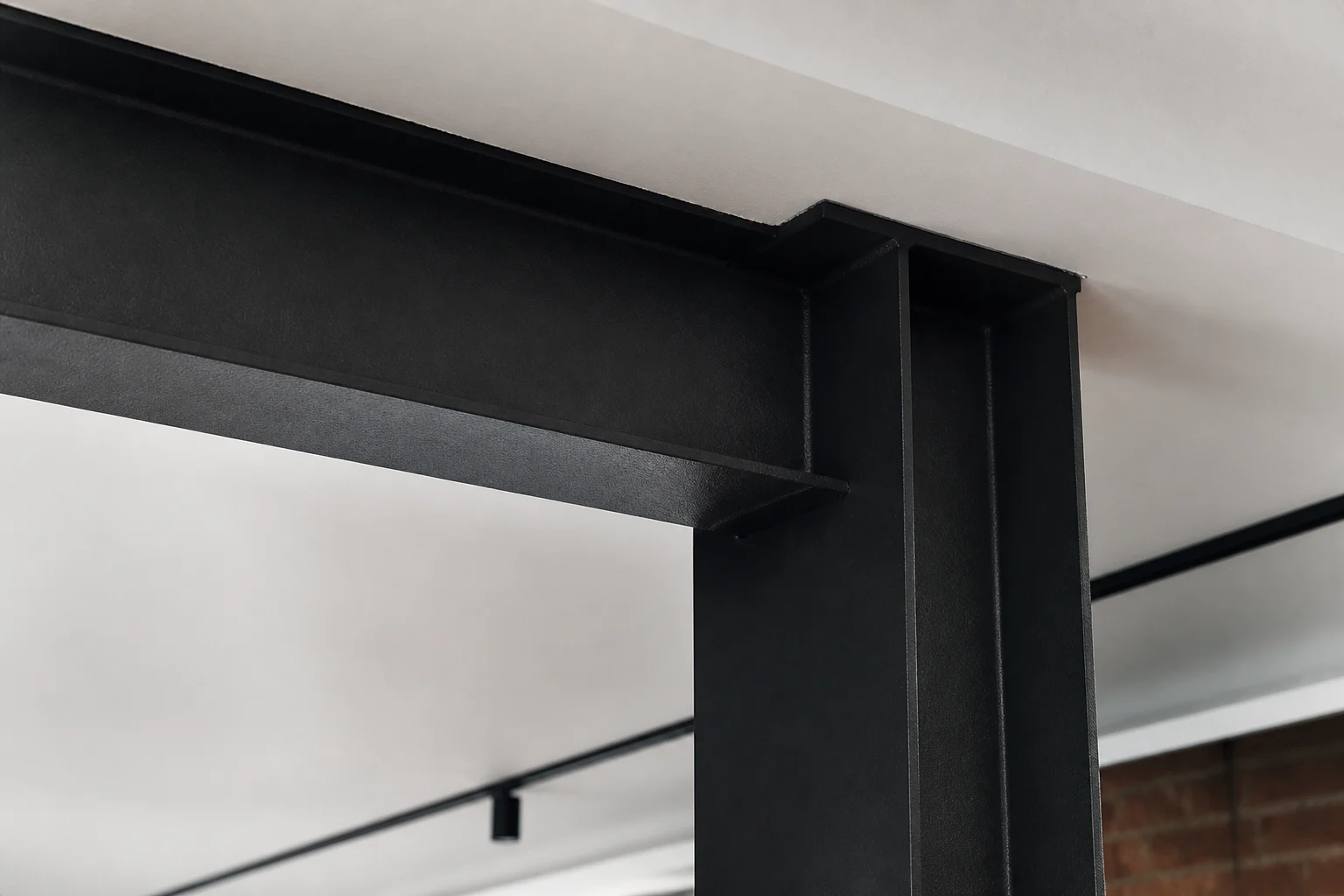
Matte Black Steel
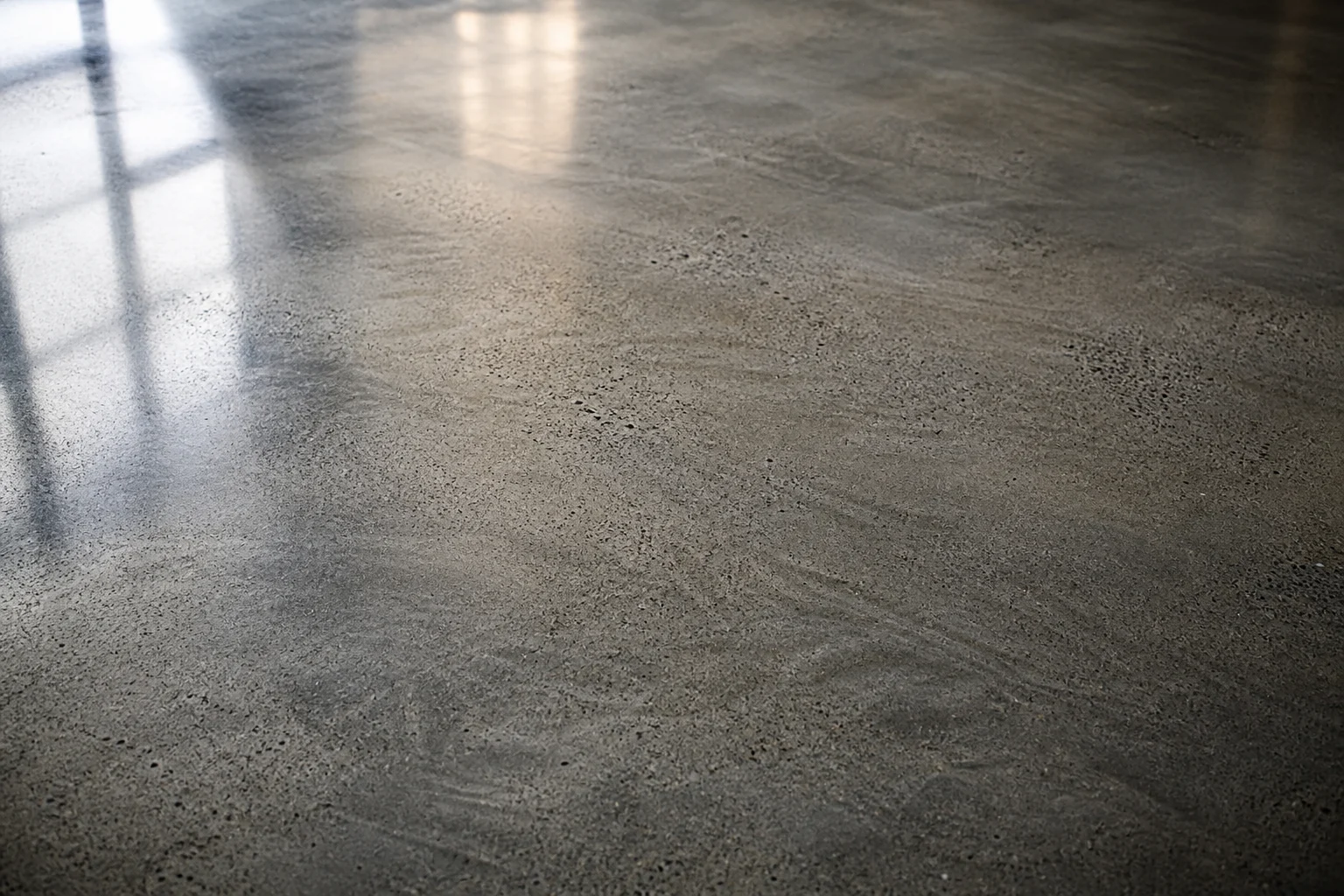
Polished Concrete

Distressed Leather
Provides instant history, warmth, and textural contrast to cold metals.
Best for: Feature walls, fireplace surrounds, and structural pillars.
The structural backbone of the style, offering crisp lines and heavy visual weight.
Best for: Window frames, staircases, shelving units, and furniture legs.
A durable, utilitarian surface that reflects light and grounds the space.
Best for: Flooring, kitchen countertops, and bathroom walls.
Adds essential warmth, comfort, and a lived-in patina to seating areas.
Best for: Sofas, lounge chairs, and bar stools.
Key principles for bringing raw, urban energy into your home.

Industrial loft interior design thrives on vast, unbroken spaces. Remove non-load-bearing walls to create a seamless flow between the kitchen, dining, and living areas. Use large area rugs and strategic furniture placement to define distinct zones without sacrificing the warehouse-inspired scale.
Design My Open Layout
Instead of hiding the building's infrastructure, make it a focal point. Leave HVAC ductwork, plumbing pipes, and ceiling beams exposed. Painting these elements matte black or allowing their natural galvanized finish to shine adds authentic industrial character to any room.
Generate Ceiling Ideas
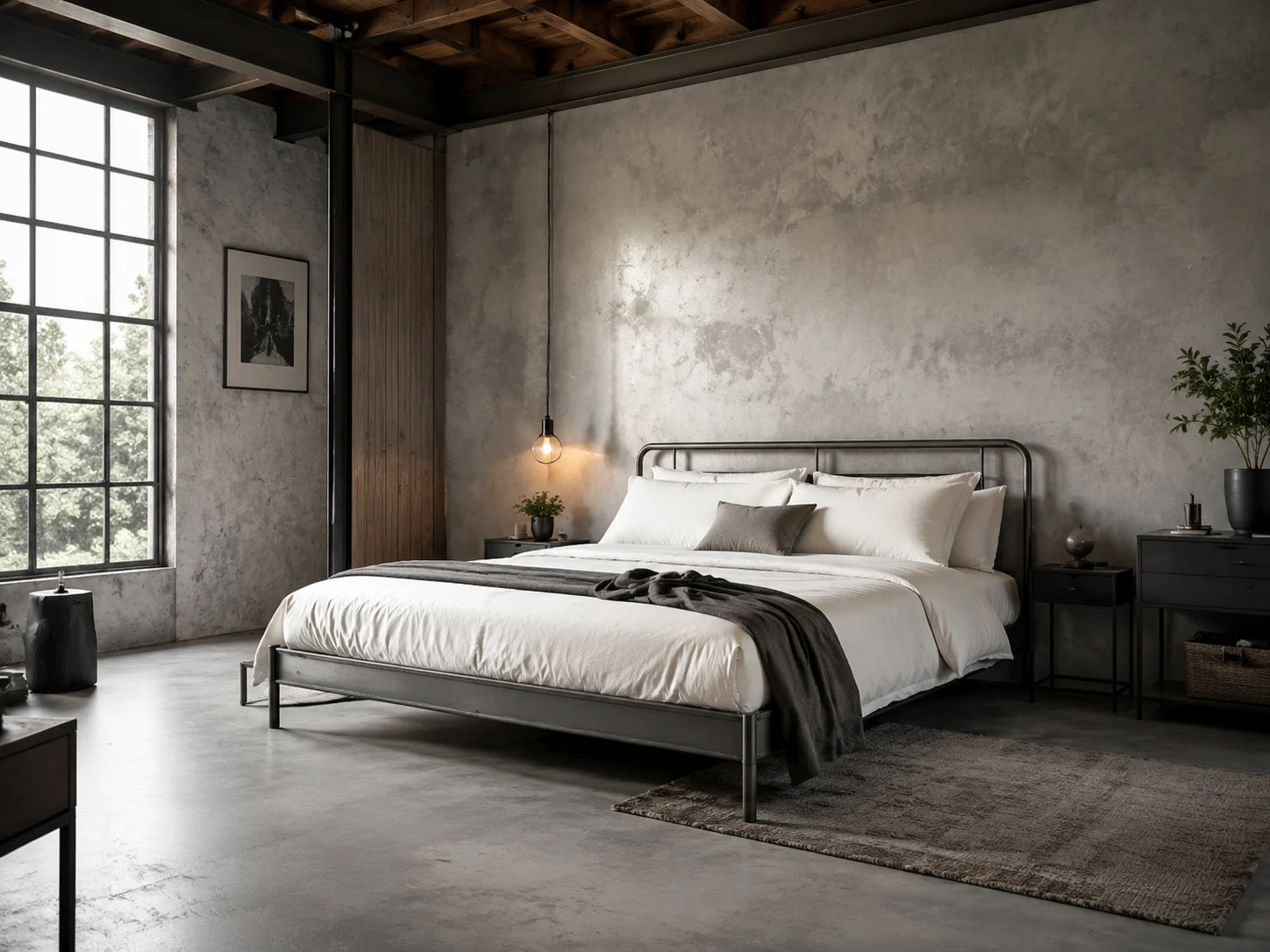
To prevent an industrial bedroom or living room from feeling too cold or sterile, introduce organic warmth. Reclaimed wood dining tables, rich cognac leather sofas, and thick textured throw blankets provide essential contrast to hard concrete and steel surfaces.
Try Industrial Bedroom IdeasEssential guidelines for achieving a balanced industrial look.
Expert answers to common questions about styling an industrial space.

Ready to see how exposed brick and raw steel would look in your own home? Use our AI tool to visualize your space with a modern industrial edge.
Explore related design aesthetics to find the perfect balance of raw materials and modern comfort.
